
Built on 80 Years.
Built for What’s Next.
For generations, leaders across Southwestern Pennsylvania have come together to strengthen the region’s economy, expand opportunity, and address challenges that no organization can solve alone.
Today, the Pittsburgh Regional Alliance carries that legacy forward, connecting leaders, aligning priorities, and helping position the region for continued growth and success.
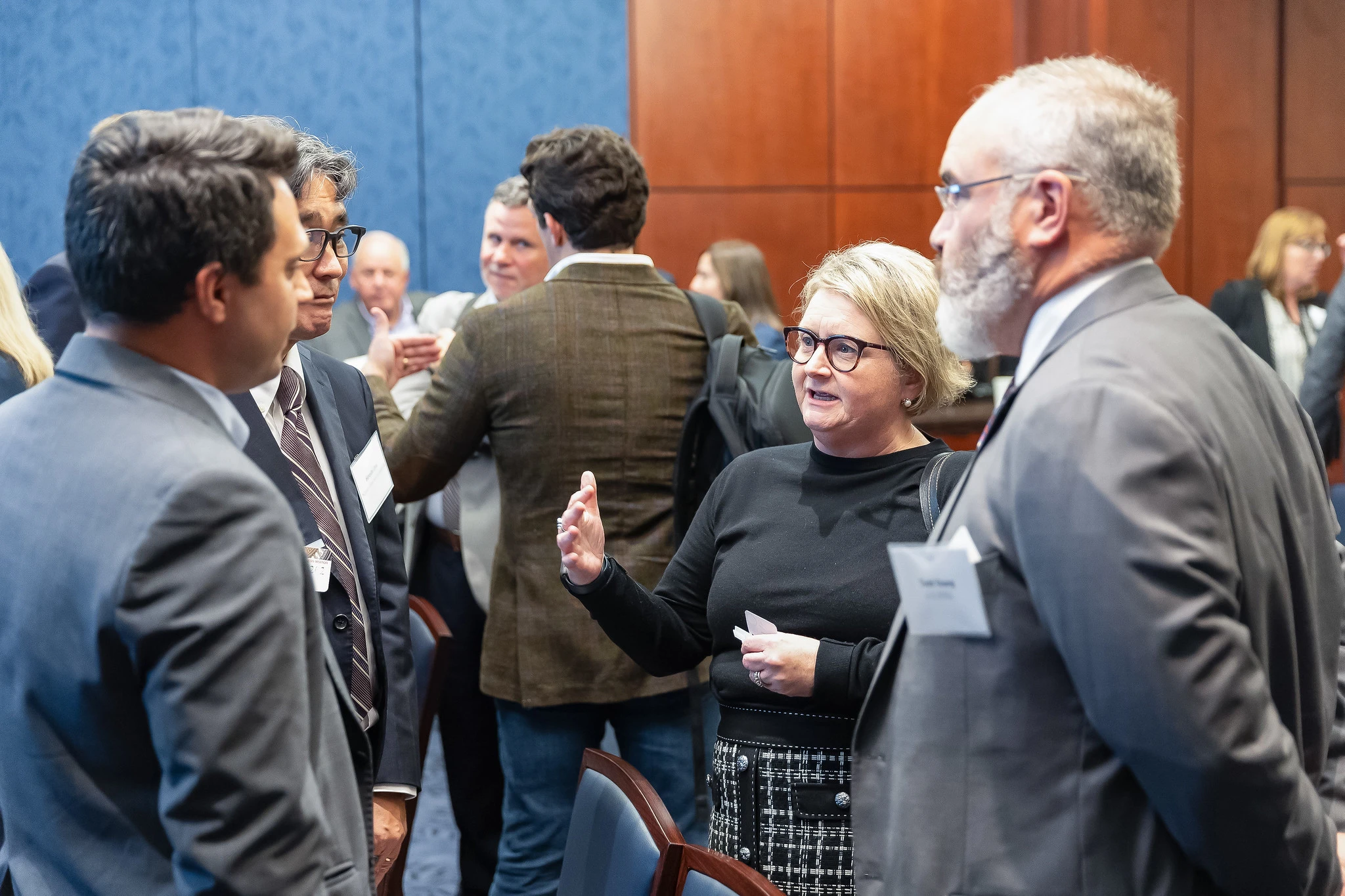
The Region’s Connective Tissue
The Pittsburgh Regional Alliance is a private-sector-led partnership that brings together leaders from business, government, education, organized labor, philanthropy, and community organizations to advance economic growth and regional competitiveness.
Our role is not to duplicate the work of others. Our role is to connect it.
By aligning institutions, ideas, and investments, we help create the conditions that allow Southwestern Pennsylvania to compete, grow, and thrive.
Meet the Board of Directors
Leaders from Across the Region
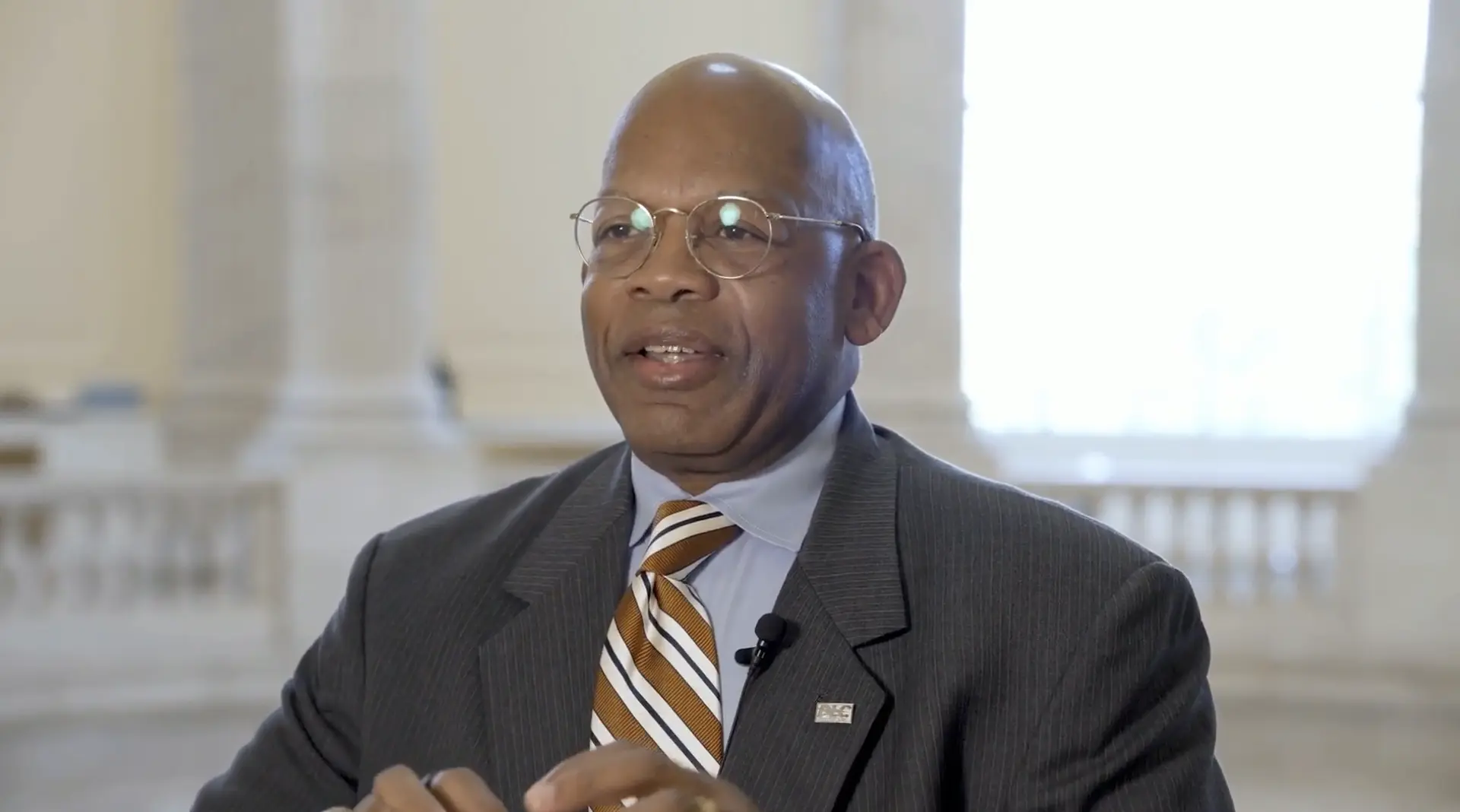
The Pittsburgh Regional Alliance Board of Directors represents a broad cross-section of Southwestern Pennsylvania’s business, institutional, and community leadership. Board members provide strategic oversight, guidance, and perspective to help ensure the organization remains focused on creating long-term value for the region.
Board Representation Includes
- Corporate Leaders
- Higher Education
- Philanthropic & Civic Leaders
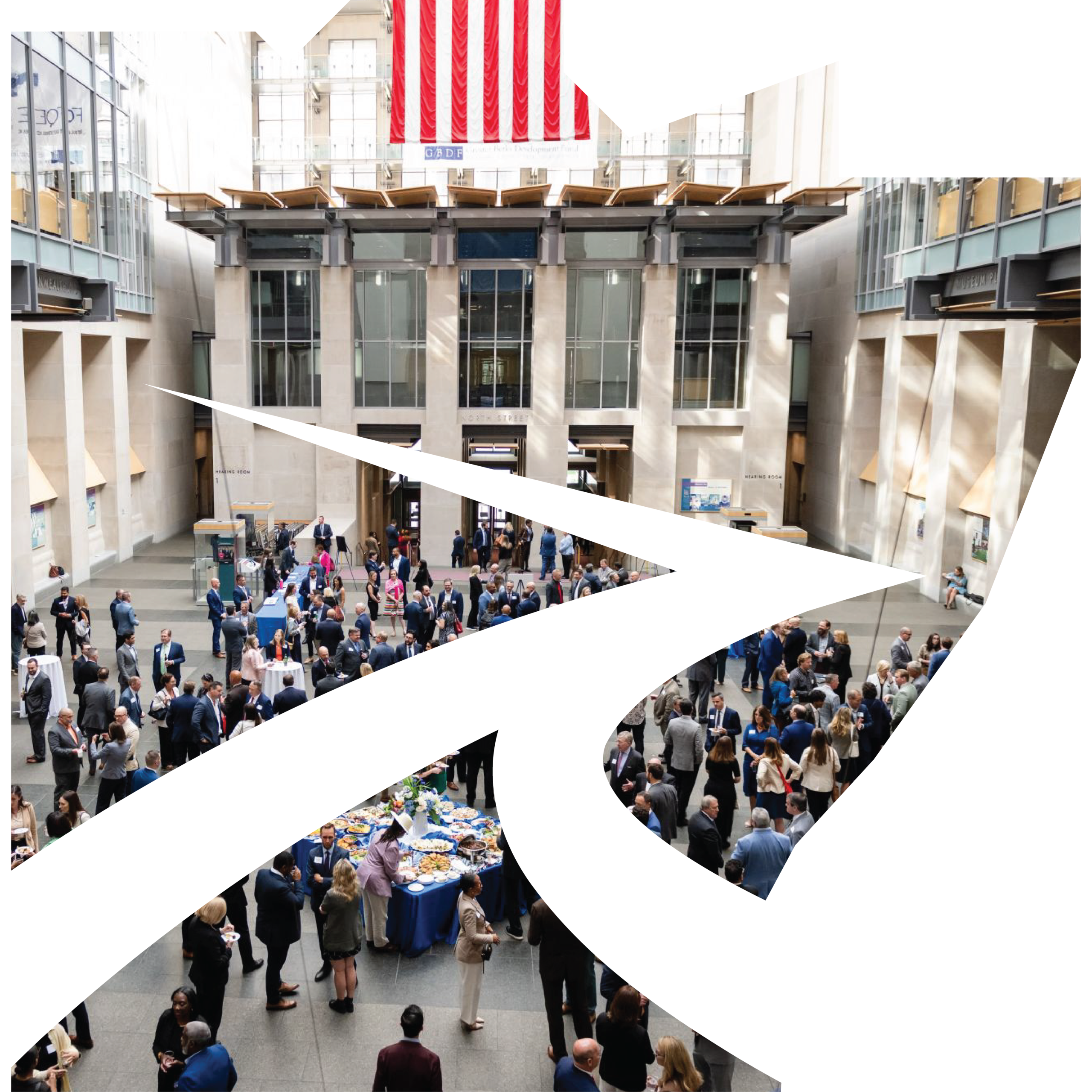
The Alliance’s History
For more than eight decades, leaders across Southwestern Pennsylvania have come together to tackle challenges that no single organization, community, or sector could solve alone.
From cleaning Pittsburgh’s air and rebuilding its urban core to diversifying the economy, strengthening infrastructure, attracting investment, and positioning the region for emerging industries, that spirit of public-private collaboration has helped shape Southwestern Pennsylvania’s economic future.
Today, the Pittsburgh Regional Alliance carries that tradition forward with a clear focus on economic growth, regional competitiveness, civic vitality and opportunity.
Our Foundation
A New Model for Regional Collaboration
Concern about Pittsburgh’s long-term economic competitiveness, dependence on heavy industry, and severe air and water pollution brought business and civic leaders together during World War II. In 1944, the Allegheny Conference on Community Development was incorporated as a way for private-sector leaders to partner with government to strengthen the region’s economy and quality of life.
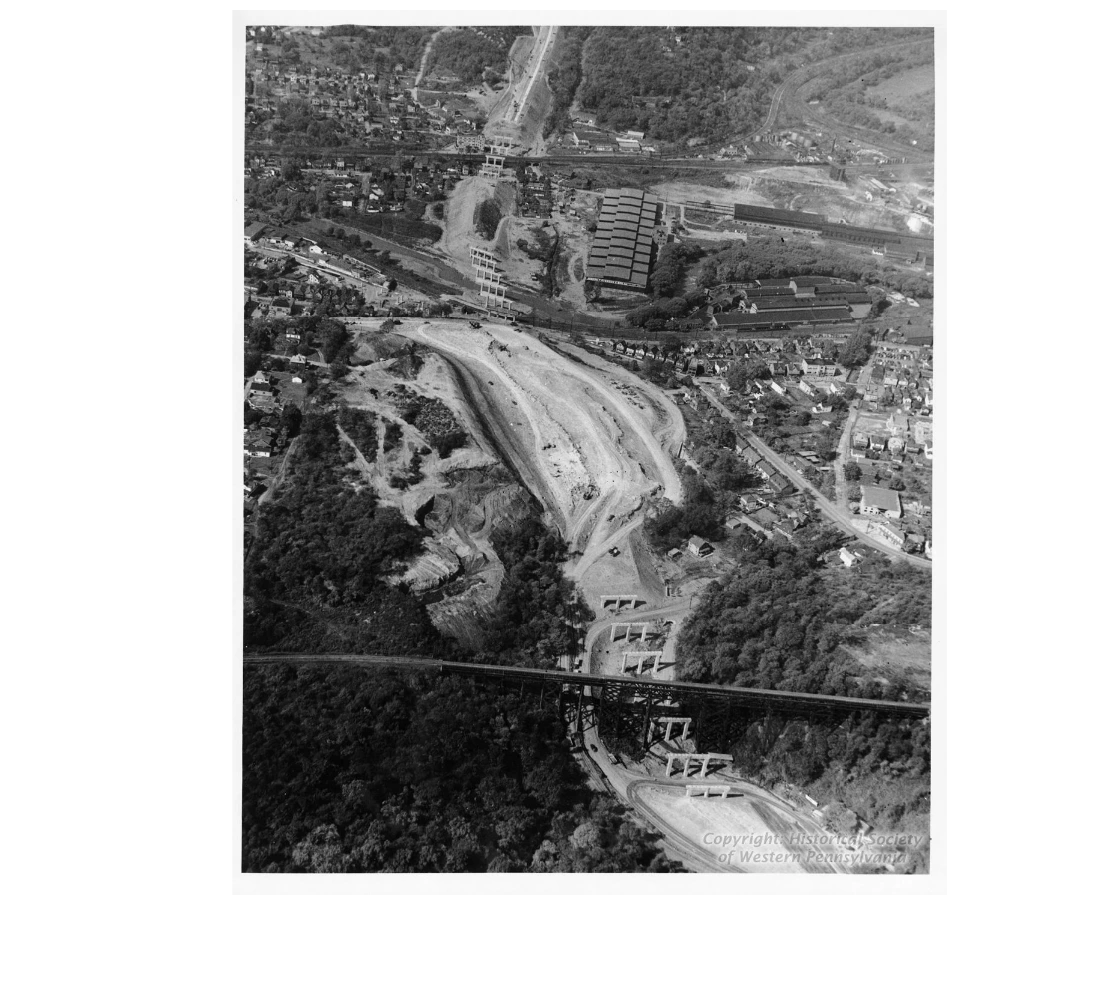
Early priorities quickly turned into visible results. The Conference helped build support for smoke-control measures, including comprehensive Allegheny County legislation in 1949, and played a role in efforts that led to Gateway Center, Point State Park, flood-control infrastructure, new highways, and public parking authorities.
Defining contributions
- Regional public-private collaboration
- Smoke control and environmental improvement
- Gateway Center and Point State Park
- Flood-control and highway infrastructure
- Early economic revitalization
Connecting People, Communities, Opportunities,
Transportation became a major regional challenge as dozens of private transit operators struggled amid the rise of the automobile. The Conference called for a unified transit authority in 1951 and helped build the public and private support that ultimately led to legislation establishing the Port Authority in 1959, with its first buses operating in 1964.
By the late 1960s, the Conference also began addressing economic inequality through efforts supporting minority-owned businesses. Initiatives included the Minority Entrepreneur Loan Program and subsequent support for organizations helping minority businesses gain access to financing, resources, and purchasing opportunities.
Defining contributions
- Creation of the Port Authority
- Minority business development
- Continued public-private civic leadership
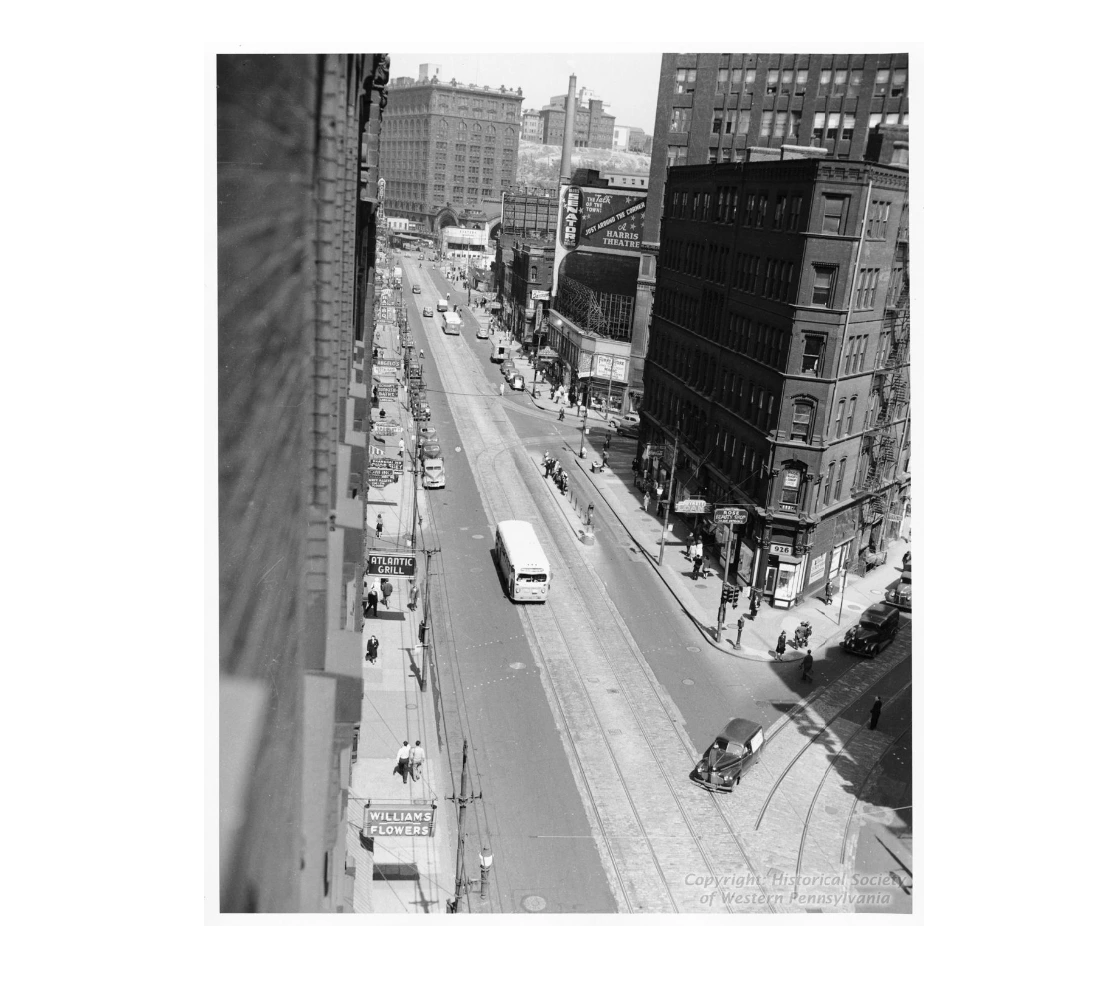
Responding to economic disruption
As Southwestern Pennsylvania confronted significant industrial and economic change, regional collaboration increasingly focused on diversification, redevelopment, and creating new sources of economic activity.
The Conference supported revitalization of the Penn-Liberty corridor into what became Pittsburgh’s Cultural District and helped advance Strategy 21, which enabled public and private agencies to coordinate requests for state investment. Strategy 21 supported projects ranging from the new Pittsburgh International Airport to The Andy Warhol Museum. The organization also supported modernization of Pennsylvania’s brownfields regulations to accelerate redevelopment of former industrial sites.
Defining contributions
- Pittsburgh Cultural District
- Strategy 21
- Regional infrastructure investment
- Brownfield redevelopment
- Economic diversification
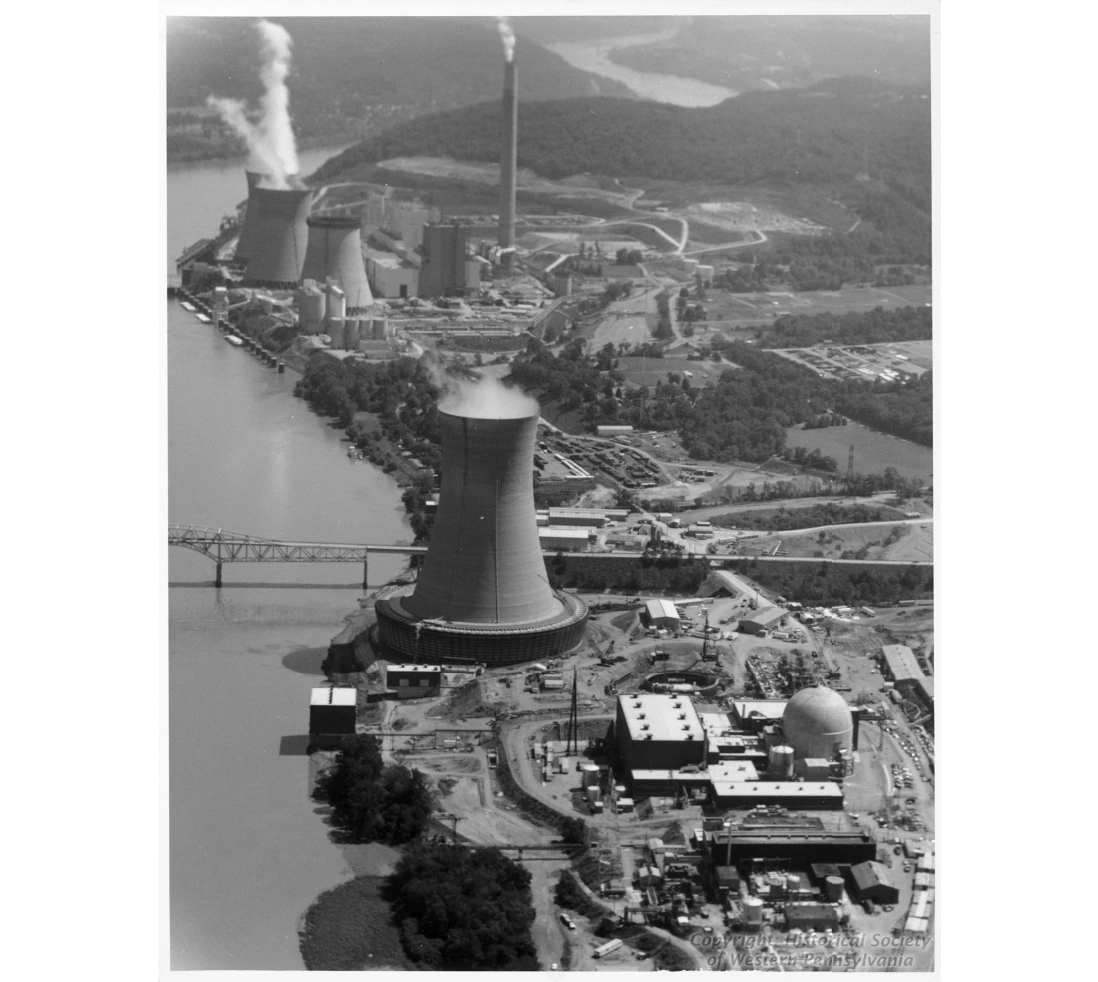
A New Regional Vision Emerges
Recognizing that fragmented economic development efforts were creating competition within the region itself, the Allegheny Conference convened business leaders, university presidents, foundation executives, and public officials through the Working Together Consortium.
Their conclusion was clear: Regions compete. Municipalities do not.
The Consortium determined that Southwestern Pennsylvania needed a unified regional strategy and a single economic development front door. The result was the founding of the Pittsburgh Regional Alliance (PRA) in 1995.
The PRA was established to position Southwestern Pennsylvania as a single economic marketplace for investors, businesses, and site selectors while fostering regional collaboration across county boundaries.
Defining Contributions
- Creation of the Pittsburgh Regional Alliance
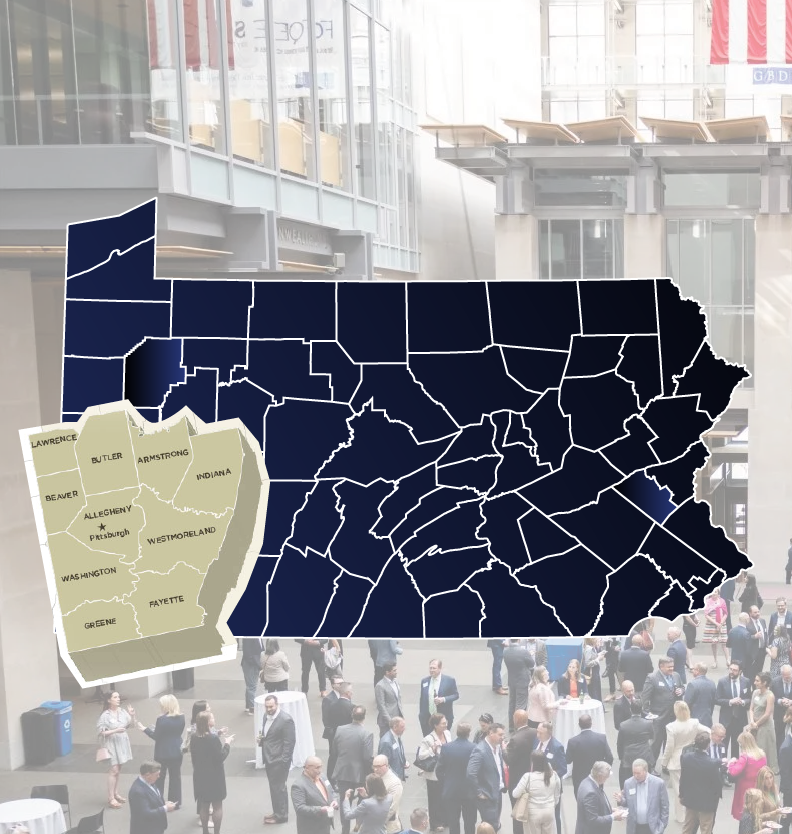
- Adoption of a 10-county regional model
- Unified economic development strategy
- End of county-versus-county competition
- Regional business attraction framework

Becoming a truly regional organization
As the region worked to overcome outdated perceptions associated with industrial decline, the Pittsburgh Regional Alliance helped reposition Southwestern Pennsylvania around emerging strengths.
The narrative shifted from the legacy “Rust Belt” identity toward innovation, research, advanced manufacturing, technology, life sciences, and specialized services.
This work laid the foundation for future investment attraction and regional growth efforts.
Defining contributions
- Adoption of a 10-county regional perspective
- Allegheny Regional Asset District
- Allegheny County Home Rule
- Strategic Investment Fund
- Major regional development projects
- National and international marketing
- Innovation ecosystem development
The new millennium
Integrating Regional Capabilities
In 2000, the Allegheny Conference entered into a joint venture with the Greater Pittsburgh Chamber of Commerce, Pennsylvania Economy League of Greater Pittsburgh, and Pittsburgh Regional Alliance. The relationship was formalized in 2003 through a strategic affiliation with a common CEO, membership, staff, and strategic plan.
The model brought together complementary capabilities: advocacy through the Chamber, research and analysis through the Economy League, and business-investment marketing through PRA, all guided by private-sector regional leadership. The affiliation also expanded the Regional Investors Council to more than 300 organizations.
Regional collaboration also helped improve air service, advance business-tax competitiveness, support government and transit reform, improve riverfront and cultural assets, and ultimately create the public-private partnership that hosted the 2009 G-20 Summit in Pittsburgh.
Defining contributions
- Integration of four regional organizations
- Regional Investors Council expansion
- Air-service improvements
- Business competitiveness advocacy
- Pittsburgh G-20 Partnership
- Expanded regional storytelling
Competing on a national & global stage
The region increasingly gained recognition for its collaborative economic development model. The Conference received national recognition for sustained regional stewardship, while Pittsburgh Regional Alliance earned recognition for business attraction and the region maintained strong national rankings for significant corporate location and expansion projects.
The decade also brought major work around transportation, workforce, communities, and energy. Conference and Chamber advocacy contributed to passage of Pennsylvania’s Act 89 transportation funding legislation in 2013. The Regional Transportation Alliance launched following a 2014 regional leadership study mission, and the 2015-2017 agenda centered on “Connecting People to Opportunity.”
In 2016, the Inflection Point report examined the region’s future workforce supply-and-demand challenge. Meanwhile, Pittsburgh Regional Alliance supported the effort that helped guide Shell Chemicals toward its multibillion-dollar polyethylene facility investment in Beaver County.
Defining contributions
- National economic development recognition
- Act 89 transportation investment
- Regional Transportation Alliance
- Workforce research and planning
- Community capacity-building
- Major business investment attraction

20/20 vision
Building the next economy
The region’s economic opportunities have continued to evolve, with economic development, advocacy, research, and private-sector leadership increasingly focused on the industries and conditions that can power the next generation of growth.
Today’s work builds upon the same model that has defined the organization throughout its history: identifying competitive challenges, bringing together regional expertise, aligning leaders around shared priorities, and converting collaboration into action. The Allegheny Conference and affiliates led this integrated work through economic development, advocacy, and research and analysis across the 10-county region.
Defining priorities
- Business investment and expansion
- Economic competitiveness
- Energy and infrastructure
- Talent and workforce
- Research and analysis
- Policy and advocacy
- Regional alignment
Meet the Pittsburgh Regional Alliance
The Pittsburgh Regional Alliance represents the next evolution of more than 80 years of regional leadership.
What began in 1944 as an effort to organize private-sector leadership around major regional challenges has evolved into an integrated platform for economic development, advocacy, research, and regional collaboration. The capabilities that were assembled across the Allegheny Conference, Greater Pittsburgh Chamber of Commerce, Pennsylvania Economy League of Greater Pittsburgh, and Pittsburgh Regional Alliance now inform a clearer, more unified public-facing identity.
Same Mission. Clearer Name.
Built on decades of relationships, expertise, and regional leadership. Focused on driving economic growth and expanding opportunity across Southwestern Pennsylvania.
Help write the region’s next chapter
Schedule a conversation today and join the organizations helping shape the future of Southwestern Pennsylvania.